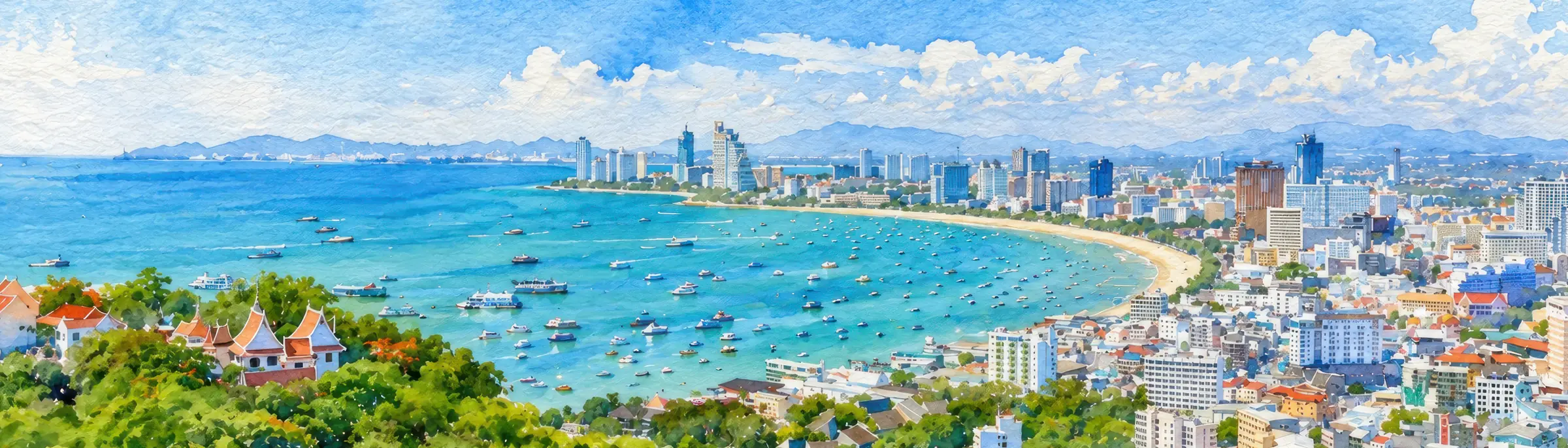
A friend is back from a shoot in Jomtien and glows in every picture. A woman scrolls through her friend’s photos, catches herself at the familiar thought — it worked for her, but I never look like myself in photos — and closes the gallery. There is a week of the trip left. Her husband offers, for the second time, to book a photographer; she stalls, working out in her head whether a folder of files is worth the money.
The yardstick is wrong, though. From the outside, a photo shoot does look like a product: you pay, you get the pictures, and the more of them there are, the better the deal seems. But a shoot is a service, not a product, and it works by different rules: its value is created in the live interaction between two people over one particular hour, and it depends entirely on who is running that hour. You can’t write that kind of value into a price list or measure it by the number of shots. A good photographer understands this and will sometimes flatly refuse to shoot a client who sizes up the work as if it were thirty coconuts at the market, haggling over quantity before anything else.
Everything else grows out of that difference. That is why people come away from a shoot with far more than a folder of files. Led by the hand through that same hour, they quietly pick up a dozen small things, and these stay with them afterward. A little of everything: a little about their own body, a little about their face, a little about how others see them, a little shared experience, and a little of Thailand itself. Those who keep putting a shoot off with I don’t like myself in photos usually need what the shoot leaves behind more than they need the pictures themselves.
You saw yourself from the outside
Most people arrive having already passed judgment on themselves: I know what I look like, and the camera won’t show anything good. Then comes the part they don’t expect. The photographer steers them past their stiffest moment, suggesting where to put their hands and catching the second between two awkward expressions, and the face that appears on the screen is a little livelier and calmer than the one they are used to seeing in the mirror. In our experience, the most valuable thing here is that they come to look at themselves a little more warmly; that outweighs any number of new pictures. The inner critic doesn’t go quiet altogether, but it does turn the volume down.
Your body learned a couple of moves
You won’t leave as a model. But in an hour your body will pick up a few things, and it will remember them better than your head will. A steady, balanced stance, with your weight squarely on your feet, reads as confident to anyone looking; an unsteady one reads as tense, even when your face is calm. The photographer puts you into positions like these, and your muscles remember them. The next time someone points a phone at you at a birthday party, you’ll catch yourself standing a little differently than you would have a year ago.
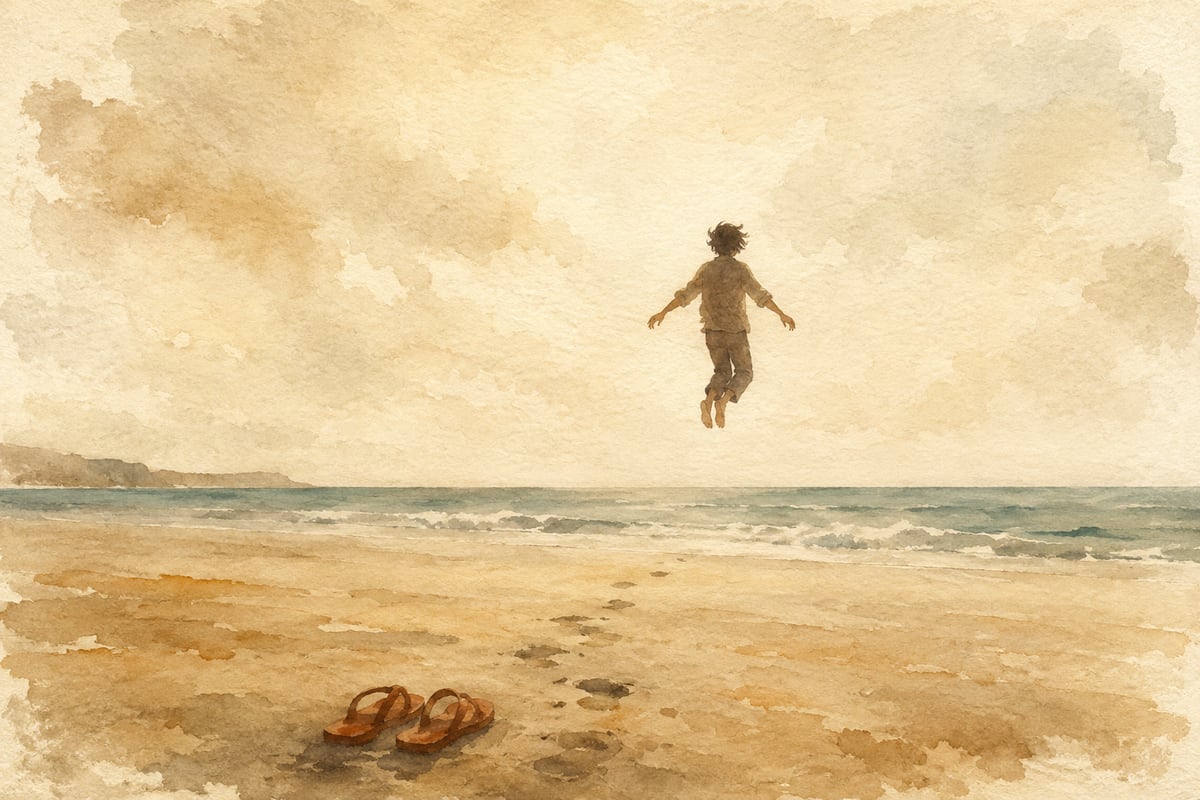
Then there is the jump. A photographer doesn’t shoot it any old way: they catch the top of it, the fraction of a second when your body has stopped rising and hasn’t yet started to fall, which is why it looks weightless. All the lightness of a ballet leap is in that moment of hanging at the top. Once you’ve felt where it is, you’ll jump in front of a camera differently than you did in gym class at school.
The same goes for the simple knack of giving yourself something to do in front of the camera. On a solo shoot the photographer rarely leaves you standing there like a post: they have you lean against a tree trunk, perch on a low wall, play with the brim of a hat or the hem of a skirt. That bit of fiddling with something is what gives a picture the life that casual vacation snapshots lack, and the habit stays with you.
The hour someone really looked at you
It is rare for an adult to be looked at closely and kindly for a whole hour by someone whose only concern is that they come out well. On a shoot it happens, and that alone turns out to be unexpectedly nourishing, especially for people who are used to being on the other side of the camera.
Now and then during that hour you’ll catch the photographer giving you an odd look: intent, aimed straight at you and yet somehow through you, as if they were looking at something past your shoulder. There is nothing to be alarmed about. In that second they are letting their eyes go out of focus to judge the patches of light and how soft the background is; it is purely a working look and has nothing to do with you personally. But the feeling of attention focused on you doesn’t go away because of it, and that warmth is something you take home.
You found your own look
By the end of the shoot many people can say, for the first time, what they had only vaguely felt before: which look suits them, right down to specifics like the turn of a shoulder, side light, a shot cropped at the knee.
Along the way you also learn something less obvious about makeup. The kind that works for the camera does a different job from the everyday kind: it prepares a face for strong light, evening out the skin, killing shine, hiding the dark circles under the eyes and whatever goes unnoticed up close but jumps out in a photo. This craft can do things that surprise people: with good makeup and good light, an eighty-year-old grandmother comes out looking sixty, and for an experienced photographer that is routine work.
And this is not only about women. Before a serious shoot everyone usually gets prepped, men included, just differently: most often with lip balm and a translucent loose powder. In Pattaya’s heat, dehydration and adjusting to the climate leave visitors’ lips dry and cracked, and their faces quickly start to shine; the balm and the powder take care of just that. Once you have seen how makeup for the camera differs from the everyday kind, you’ll get ready for any future shoot with less worry, and you’ll choose what to wear with more confidence.
An adventure you went through together
The shoot itself plays out like a small adventure, and you remember it separately from the pictures. The heat, the hunt for good light, the dash from one spot to the next, a sudden shower, the pose that wouldn’t come until the tenth try and then finally did — you live through all of it and overcome it as you go. For a couple, an hour like that often turns out more vivid than many of the uneventful days of a vacation: the shared excitement, the shared awkwardness, the small shared victory in front of the camera.
To bring the picture to life, the photographer also gets you to interact: to turn to each other, hug for a second, walk along talking quietly. In the middle of what starts out as play-acting, something real often slips through: a long-forgotten tone of voice, a child hanging off their father, no longer because they were told to. Later, in the pictures, you see yourselves from the outside as a whole, as a we. That reflection of your bond lasts longer than the tan.
A bit of Thailand, picked up firsthand
One more thing stays with you, and nobody expects it at all. A good local photographer knows the locations both by their light and by their etiquette: how to behave at a temple, what a particular gesture means, why you don’t go in here with your shoes on, how local people feel about a shoot in this particular place. They mention it all in passing as you go, and an hour-long shoot turns into a live, hands-on introduction to Thai culture, the kind that usually passes tourists by. Among the things people take home from Thailand as lived experience, only tasting the local food comes close. Some of these small things stick, and you’ll walk into the next temple, or the Sanctuary of Truth for that matter, a little more like a local.
A marker you set yourself
An adult doesn’t have many reference points for memory to work from. Society offers only a handful: graduation, a wedding, the birth of a child. Between them stretch years with nothing to mark them. A shoot lets you set a point like that yourself, without waiting for the right occasion: you simply decide that this trip, the children at this age, this relationship as it is now are worth freezing in time.
Anyone who has done a shoot even once knows this feeling well. That is why many couples, after their very first shoot, adopt an unspoken rule: at least a small photo shoot once a year. The result is a string of personal milestones, set out on a calendar of their own.
The pictures will confirm that reference point later, but it becomes one earlier, the minute you decide that the moment is worth an hour of someone’s full effort. The folder of files is the trace it leaves behind.
It depends on who is behind the camera
None of this is handed over when you pay. For it to stay with you, the photographer has to bring a rare combination. First, a deep, firsthand knowledge of the craft: light, posing, makeup, pacing, local etiquette. Second, the ability to direct: to pose you gently, catch the moment, keep up the pace, and still not push. And third, a feel for people: working out within minutes who is in front of them, then finding the right approach and common ground. The service this article opened with rests on that combination.
With an indifferent or unskilled photographer, a shoot gives you back just a folder of files, and sometimes the faint aftertaste of a wasted evening as well. So everything a shoot leaves behind depends entirely on who you end up with. Our directory of Pattaya photographers was put together as an attempt to narrow the choice for you: we checked the photographers as best we could, by the traces their craft leaves in public view. The final check — a real exchange of messages and a full set of their work — is still yours to make, but you no longer have to start from scratch.